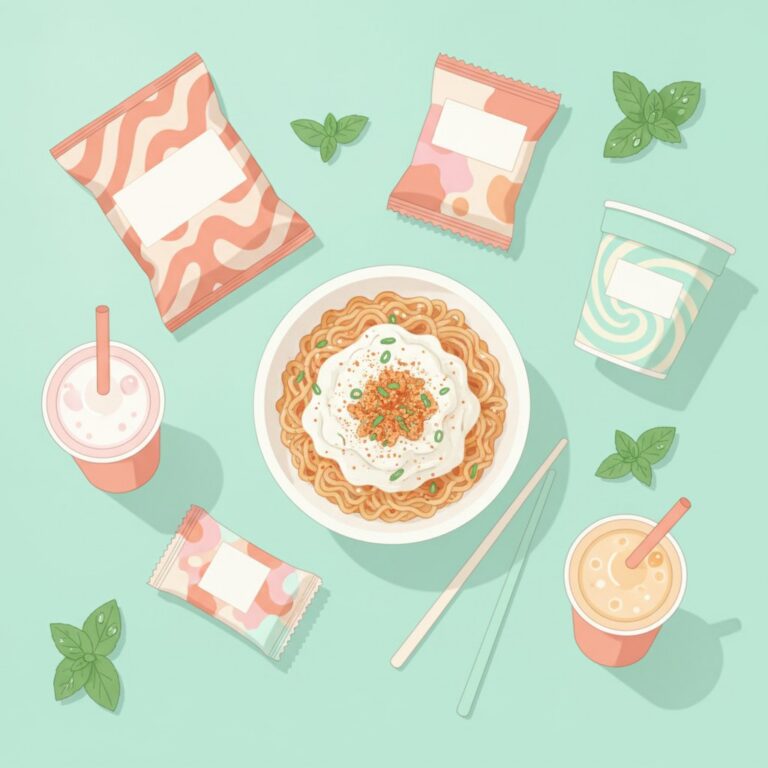
Seoulite dinners: Korean CVS meals under 6000 won
This post contains affiliate links. As an Amazon Associate, we earn from qualifying purchases at no extra cost to you.
At a glance
- In shortA guide to cheap and satisfying Korean convenience store meal combinations under 6,000 won in Seoul.
- Best forBudget-conscious travelers and locals in Seoul
- ProductsNongshim Shin Ramyun Cup, Tuna Mayo Samgak Gimbap, Ottogi Cheesy Tteokbokki Cup
- Spice levelSpice 3/5
- Flavorspicy, savory, sweet
- Key pointsDosirak lunchboxes offer balanced meals with rice and sides for 4,500-5,800 won. · Ramyun and gimbap combos provide a complete meal for under 3,000 to 4,000 won. · Instant cupbap and tteokbokki deliver authentic flavors for 2,500-4,500 won.
- Heads-upConvenience stores rotate in new ready-to-eat items every week.
Korean CVS Dinners Under 6000 Won: Your Ultimate Budget K-Food Guide!
Imagine a world where a fulfilling, flavorful dinner costs less than your daily latte – welcome to Seoul, where convenience store meals under 6,000 won (about $4.50 USD) are a culinary secret weapon. For us budget-conscious Seoulites, those late-night runs to the local mart aren’t just a dream from a K-drama; they’re a daily ritual for delicious, incredibly cheap eats.
Why are people so curious about CVS dinners? Because Korea’s convenience stores (GS25, CU, 7-Eleven, E-mart24, Ministop – they’re everywhere!) are gastronomic wonders. They’re not just for grabbing a drink; they’re a legitimate dining option, offering an astonishing array of high-quality, ready-to-eat meals, often with new items rotating in every week. For tourists, it’s an authentic, budget-friendly way to taste local flavors. For locals like me, it’s a lifesaver after a long day or when I just can’t be bothered to cook. So, let’s dive into some of my go-to options for a satisfying and super affordable evening meal!

The Hearty & Wholesome: Dosirak (Lunchbox)
First up, we have the undisputed king of Korean convenience store meals: the Dosirak, or lunchbox. These are absolute game-changers, offering a balanced meal with rice, a main dish, and several side dishes, all neatly packed and ready to microwave. The variety is insane – from classic bulgogi to spicy pork (jeyuk bokkeum), fried chicken, bibimbap, and even fusion options. Prices typically range from around 4,500 won to 5,800 won, making them a complete meal well within our budget.
My Pick: GS25/CU Jeyuk Bokkeum Dosirak
I grab the spicy pork (jeyuk bokkeum) dosirak downstairs at my local GS25 at least once a week. The main attraction is, of course, the pork. It’s usually thinly sliced, marinated in a delicious gochujang-based sauce that’s a perfect balance of sweet, savory, and spicy. The texture is tender, sometimes with a nice chew from slightly fattier bits, which adds to the flavor. Spice-wise, it’s usually milder than a standard Shin Ramyun, but definitely has a pleasant kick – enough to make your nose run slightly but not enough to be uncomfortable. It often comes with a generous portion of white rice, some stir-fried kimchi, maybe a small portion of japchae (glass noodles), and a fried egg or a few pieces of odeng (fish cake).
How Koreans Actually Eat It: We pop it in the microwave (usually for about 1.5 to 2 minutes), stir everything up, and eat it straight from the tray. Sometimes, I’ll buy an extra boiled egg or a small cup of seaweed soup from the hot display to round it out. A cold can of Chilsung Cider (Korea’s Sprite equivalent) is the perfect companion.
The Comfort Classic: Ramyun & Gimbap Combo
This is arguably the most iconic convenience store meal pairing. Ramyun (instant noodles) and gimbap (seaweed rice rolls) are like Bonnie and Clyde in the K-food world – inseparable, delicious, and always up to no good (for your diet, maybe, but oh so good for your soul). This combo can easily be put together for under 3,000-4,000 won, leaving you plenty of change.
My Pick: Nongshim Shin Ramyun Cup + Tuna Mayo Samgak Gimbap
You can’t go wrong with Shin Ramyun. It’s the OG, the standard-bearer, and honestly, still one of the best. The cup version is perfect for a quick fix. You get that signature spicy, savory broth, springy noodles, and dehydrated veggies that rehydrate into surprisingly flavorful bits. The spice level is what most people would consider a comfortable medium – it’s got a kick, but it’s not overwhelming, definitely milder than any Buldak variety. It warms you from the inside out.
To complement this, I always grab a Tuna Mayo Samgak Gimbap (triangle gimbap). These little rice triangles are filled with creamy tuna mayo, wrapped in crispy seaweed. The combination of the rich, slightly sweet tuna mayo and the fiery Shin Ramyun broth is pure magic. The rice in the gimbap absorbs some of the broth, creating a whole new experience.
How Koreans Actually Eat It: After cooking the ramyun, we often tear off pieces of the gimbap and dip them directly into the ramyun broth, letting the rice soak up all that spicy goodness. Some people also crack a fresh egg into the hot ramyun while it’s still cooking or add a slice of processed cheese (yes, really!) on top for extra creaminess. A sweet iced coffee or banana milk is a popular beverage choice to cut through the spice.
The Fiery Street Food Fix: Instant Tteokbokki
Sometimes you just crave that chewy, spicy, gloriousness of tteokbokki. And while street vendors are amazing, the convenience store versions have come a long way. They’re quick, satisfying, and deliver that authentic flavor punch. These usually run around 2,500 to 3,500 won, so you can easily add a side.
My Pick: Ottogi Cheesy Tteokbokki Cup
The Ottogi Cheesy Tteokbokki cup is my go-to when I need a serious comfort food hit. It comes with soft, chewy rice cakes (tteok) that cook up perfectly in the microwave, along with a thick, vibrant red sauce. The sauce itself is a fantastic blend of spicy gochujang and a subtle sweetness, enhanced by a powdered cheese packet that melts into a wonderfully creamy, slightly salty finish. The cheese element mellows out the spice, making it approachable. I’d say it’s on par with, or slightly milder than, Shin Ramyun, thanks to the cheese.
The texture of the tteok is key here – perfectly plump and delightfully chewy, not mushy. There usually isn’t much else in these cups, maybe a few small fish cakes, but the tteok and sauce are the stars.
How Koreans Actually Eat It: After nuking it, many Koreans will add an extra Samgak Gimbap (the tuna mayo or jeonju bibim often works best) to dip into the remaining sauce, or even a boiled egg from the hot food section. Some even buy a small cup of instant ramyun noodles (like a mini Samyang Ramyun) and dump them into the tteokbokki for a quick rabokki fix. The sweet tang of a chilled Sikhye (rice punch) or Milkis is a great palate cleanser.
The Quick & Hearty Bowl: Instant Cupbap
For those times when you want a proper rice meal but don’t want a full dosirak, instant Cupbap is your best friend. These are essentially instant rice bowls, often featuring a pre-cooked rice packet and a sauce/topping packet that you heat up together. They’re incredibly convenient and provide a surprisingly satisfying meal for around 3,500-4,500 won.
My Pick: CJ Hetbahn Spicy Pork Rice Bowl (Jeyuk Deopbap)
The CJ Hetbahn brand is famous for its high-quality pre-cooked rice, and their cupbap series lives up to that reputation. My favorite for a budget dinner is the Spicy Pork Rice Bowl (Jeyuk Deopbap). It comes with a microwaveable bowl of Hetbahn rice and a separate packet of spicy pork topping. The pork is tender, marinated in a flavorful gochujang-based sauce that’s rich and savory, with a good level of heat – I’d put it slightly above Shin Ramyun in terms of spice, maybe closer to a Jin Ramyun Spicy or a milder Buldak. It’s got that lovely sweet-spicy kick that Koreans love.
The portion size is decent, especially for a single person. You get tender pieces of pork and sometimes some onions or cabbage mixed in with the sauce, over perfectly fluffy rice. It’s a proper, comforting meal in minutes.
How Koreans Actually Eat It: You just heat the rice and the sauce packet (usually boiling water or microwave), pour the sauce over the rice, mix it all up, and dig in. Some people like to add a packet of shredded seaweed or a fresh fried egg from the hot food section for extra texture and flavor. A cup of yogurt or a fruit juice drink often accompanies this simple but fulfilling meal.
How to Get It Abroad
Good news, K-food fans! Many of these convenience store staples aren’t confined to Korea. Thanks to the global K-wave, you can often find these products in your local Asian markets, online retailers, and even mainstream supermarkets that cater to diverse palates.
- Ramyun (Shin Ramyun, Buldak Carbonara): These are probably the easiest to find. Check your local Asian grocery stores, international aisles at major supermarkets, Amazon, H Mart (if you’re in North America), Weee!, and other online Asian food stores.
- Samgak Gimbap: These are trickier. While the concept is popular, the exact Korean CVS style with fresh seaweed is rare due to shelf-life. However, you can often find frozen mini gimbap rolls in Asian markets that you can microwave, or sometimes freshly made gimbap rolls at H Mart or specialty Korean delis.
- Instant Tteokbokki (Ottogi, CJ Beksul): Various brands of instant tteokbokki cups or meal kits are widely available. Look for them at H Mart, other large Asian supermarkets, and online stores.
- CJ Hetbahn Cupbap: H Mart and other Korean grocery stores often carry a good selection of Hetbahn Cupbap flavors, including various rice bowls. Amazon also lists some options.
- Dosirak (Lunchboxes): The ready-to-eat, fresh dosirak like you find in Korean CVS are generally not available abroad due to fresh food regulations and logistics. However, some larger Korean supermarkets with in-house kitchens might offer their own versions of pre-made Korean lunchboxes.

Verdict
Korean convenience stores are an absolute treasure trove for delicious, budget-friendly meals. Whether you’re craving a hearty full meal, a classic noodle fix, a spicy street food experience, or a quick rice bowl, you can easily find a satisfying dinner for under 6,000 won. The quality is surprisingly high, the flavors are authentic, and the convenience is unbeatable. Trust me, I eat this stuff almost daily, and it never gets old!
Overall Score: 9/10 (Deducting one point only because fresh daily specials can vary, but the core offerings are always fantastic!)
FAQ
Can I really get a full meal for under 6,000 won?
Absolutely! Most convenience store dosirak (lunchboxes) fall within this price range and offer a complete meal with rice, a main dish, and sides. You can also combine a cup of ramyun with a samgak gimbap and a drink, and still be well under the budget. Prices vary slightly by store and promotions, but the value is always excellent.
Are these convenience store meals healthy?
While delicious and convenient, convenience store meals are generally not considered the healthiest option for daily consumption. They can be high in sodium and sometimes fat. However, many stores are introducing healthier options like salad boxes or fresh fruit cups. For an occasional meal, they’re perfectly fine and a fun part of Korean culture!
Do Korean convenience stores have vegetarian options?
Vegetarian options are becoming more common, but they can still be limited. Look for vegetable gimbap, simple rice dishes, salads (check ingredients carefully for non-vegetarian dressings), and certain instant noodles that don’t contain meat or seafood. Always check the ingredient list if you have strict dietary requirements, as some products might contain hidden animal-derived ingredients.
More on Meal Combos & Hacks
- Top 5 Korean CVS Cheese Toppings for RamyunRanks five Korean convenience store cheese toppings and explains how to use them with spicy ramyun and tteokbokki.
- K-Drama Convenience Store Food CombosA guide to four classic budget-friendly food combinations found in Korean convenience stores.
- Solo Eating Combos at Korean Convenience StoresA guide to popular solo meal combinations and bento boxes available at Korean convenience stores.
See every Meal Combos & Hacks post in our CVS Meals guide.
Handy toolsRamyeon spice chart · Korean label decoder · Korean Snack Finder