
Standing in front of a Korean supermarket noodle aisle can be overwhelming. Choosing a package based on the cover picture often leads to buying something far too spicy or selecting broth-based noodles when you wanted a dry stir-fry. Knowing the cooking methods, heat levels, and flavor profiles prevents wasted money and unsatisfactory meals.
Browse the categories below to compare popular brands, check heat levels, find preparation tips, and discover non-spicy alternatives. Each section links to detailed individual product reviews and comparisons.
Tools & resourcesKorean Snack Finder · Korean Ramyeon Spice Chart · Korean Label Decoder
Classic Ramyeon Brands (7)
Classic Ramyeon Brands: what to know first
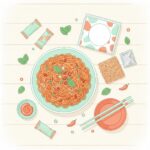
- Red broth noodles dominate this category, featuring beef broth, garlic, and red pepper flake foundations.
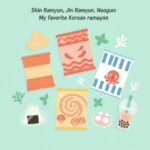
- Shin Ramyun, Jin Ramen, and Ansungtangmyun represent the baseline flavor standards for Korean instant noodles.
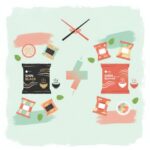
- Broth concentration varies greatly between standard packs and premium versions like Shin Black.




Convenience Store Hacks (7)
Convenience Store Hacks: what to know first
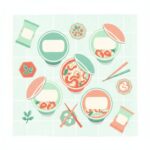
- Korean convenience stores supply hot water, microwave ovens, and toppings like cheese and boiled eggs.
- Substituting water with warm milk creates a creamier broth that lowers overall spiciness levels significantly.
- Instant tteokbokki and cup noodles can be combined in one bowl for a popular street food style.




Specialty Flavors (6)
Specialty Flavors: what to know first
- Cheese, kimchi, sesame oil, and curry variants offer distinct savory profiles beyond standard spice base mixtures.
- Champong noodles feature seafood extracts and smoked flavor powder to replicate Korean-Chinese restaurant soup bases.
- Egg blocks and real kimchi packets are often packaged inside premium cup noodle lines.




Cold & Stir-Fry Noodles (5)
Cold & Stir-Fry Noodles: what to know first
- Cold noodles require draining boiling water and thoroughly rinsing the cooked noodles in ice water.
- Jjajangmen uses a thick black bean sauce, which requires mixing without extra soup broth remaining.
- Sweet and sour bibim men sauce packets are intended to be mixed thoroughly into chilled noodles.



Buldak Series (4)
Buldak Series: what to know first
- Samyang Buldak uses extremely spicy chicken-flavored liquid sauce packets instead of standard soup seasoning powders.
- Dairy ingredients like carbonara powder, cheese, or milk reduce heat intensity while adding extra sauce volume.
- Stew-type Buldak includes a liquid soup base, whereas regular versions require draining almost all water.


Mild & Healthy Noodles (3)
Mild & Healthy Noodles: what to know first
- Gomtang noodles feature a milky white beef bone broth with zero spicy chili content included.
- Non-fried air-dried noodles lower total fat content while retaining a chewy texture similar to fresh wheat noodles.
- Gentle broths allow natural vegetable, soybean, or bone savory elements to stand out without chili heat.


FAQ
How do Korean cup noodles differ from packet noodles?
Cup noodles use thinner noodles designed to cook quickly with hot water alone or in a microwave. Packet noodles are thicker, requiring several minutes of boiling on a stove to reach the proper chewy texture.
What is the best way to make spicy Korean ramen milder?
Reduce the amount of red seasoning packet used during cooking. Adding slice cheese, a raw egg, milk, or extra vegetables like cabbage and bean sprouts will also help neutralize the chili oil heat.
How do you cook Jjapaguri (Ram-don) properly?
Boil Chapagetti and Neoguri noodles together, then drain most of the water before adding sauce packets. Use the entire Chapagetti packet but only half to two-thirds of the spicy Neoguri powder packet.
Prefer newest first? Browse all Ramyeon & Noodles posts. Other guides: Snacks & Chips · Drinks · CVS Meals · Ice Cream & Desserts · Buying Guides