
Navigating Korean grocery stores and convenience stores can be confusing due to language barriers, subtle brand variations, and overwhelming choice on shelves. Many shoppers buy popular items based on packaging alone, only to find the spice level too intense, the flavor profile unexpected, or the price marked up significantly at local import markets.
Browse the sections below to compare brands, decode label translations, and choose products that fit your taste. Each category breaks down specific items across Korean supermarkets and convenience store chains.
Tools & resourcesKorean Snack Finder · Korean Ramyeon Spice Chart · Korean Label Decoder
Pantry Staples and Meals (8)
Pantry Staples and Meals: what to know first
- Check fermented paste labels carefully; gochujang and doenjang come in distinct tub colors indicating savory or spicy profiles.
- Instant microwavable rice pots like Hetbahn require brief heating and serve as a base for ready-to-eat stews.
- Major food brands like CJ Bibigo and Ottogi offer competing lines of pre-packaged stews with different seasoning levels.




Store and Shopping Guides (6)
Store and Shopping Guides: what to know first
- Supermarkets like E-Mart usually offer lower prices per unit than neighborhood convenience stores like GS25 or CU.
- Ingredient labels on imported packages often cover original cooking instructions, so verify water ratios before preparation.
- Subscription boxes carry a markup compared to buying directly from local Asian grocers or dedicated online retailers.




Snacks and Sweets (5)
Snacks and Sweets: what to know first
- Korean snack packaging frequently features sweet savory combinations, such as butter-caramel chips or honey-flavored puffed wheat.
- Choco pies vary in texture between manufacturers, with Lotte offering firmer cake layers and Orion prioritizing softer marshmallow centers.
- Refrigerated convenience store desserts include fresh cream rolls and ice creams that change regularly based on seasonal promotions.




Instant Ramen (4)
Instant Ramen: what to know first
- Spice indicators on Korean ramen packaging are not standardized, so red broth typically signals high chili content.
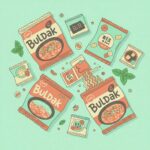
- Brothless noodles like Buldak or stir-fried noodles require draining liquid before mixing in the concentrated sauce packet.
- Mild options often rely on beef bone broth, seafood, or soybean paste instead of red pepper powder.


Convenience Store Beverages (3)
Convenience Store Beverages: what to know first
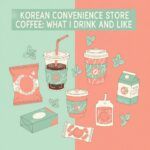
- Plastic pouch drinks require buying a separate cup with ice from the freezer chest at Korean convenience stores.
- Sweetened canned coffees vary widely in milk content, ranging from black espresso shots to heavy cream lattes.
- Flavored milk options extend beyond banana to include strawberry, melon, coffee, and chestnut varieties in rounded bottles.


FAQ
How do convenience store prices compare to Korean supermarkets?
Convenience stores charge higher unit prices for pantry staples, but offer frequent buy-one-get-one promotions on snacks and drinks. Supermarkets provide lower baseline prices, larger bulk options, and a wider selection of fresh ingredients and frozen foods.
What is the best way to determine if a Korean snack is spicy?
Look for red packaging or words like 'Maeun' on the front label. If shopping abroad, import stickers on the back list ingredients like red pepper powder or capsicum extract, which indicate notable heat levels in the product.
Are Korean instant meals ready to eat out of the package?
Most instant rice bowls, microwavable stews, and pouch meals require heating in a microwave or hot water bath. Always verify whether water needs to be added before microwaving, as preparation steps vary by brand.
Prefer newest first? Browse all Buying Guides posts. Other guides: Snacks & Chips · Drinks · CVS Meals · Ice Cream & Desserts · Ramyeon & Noodles